
ATO guidance for electric vehicle home charging now includes plug-in hybrids
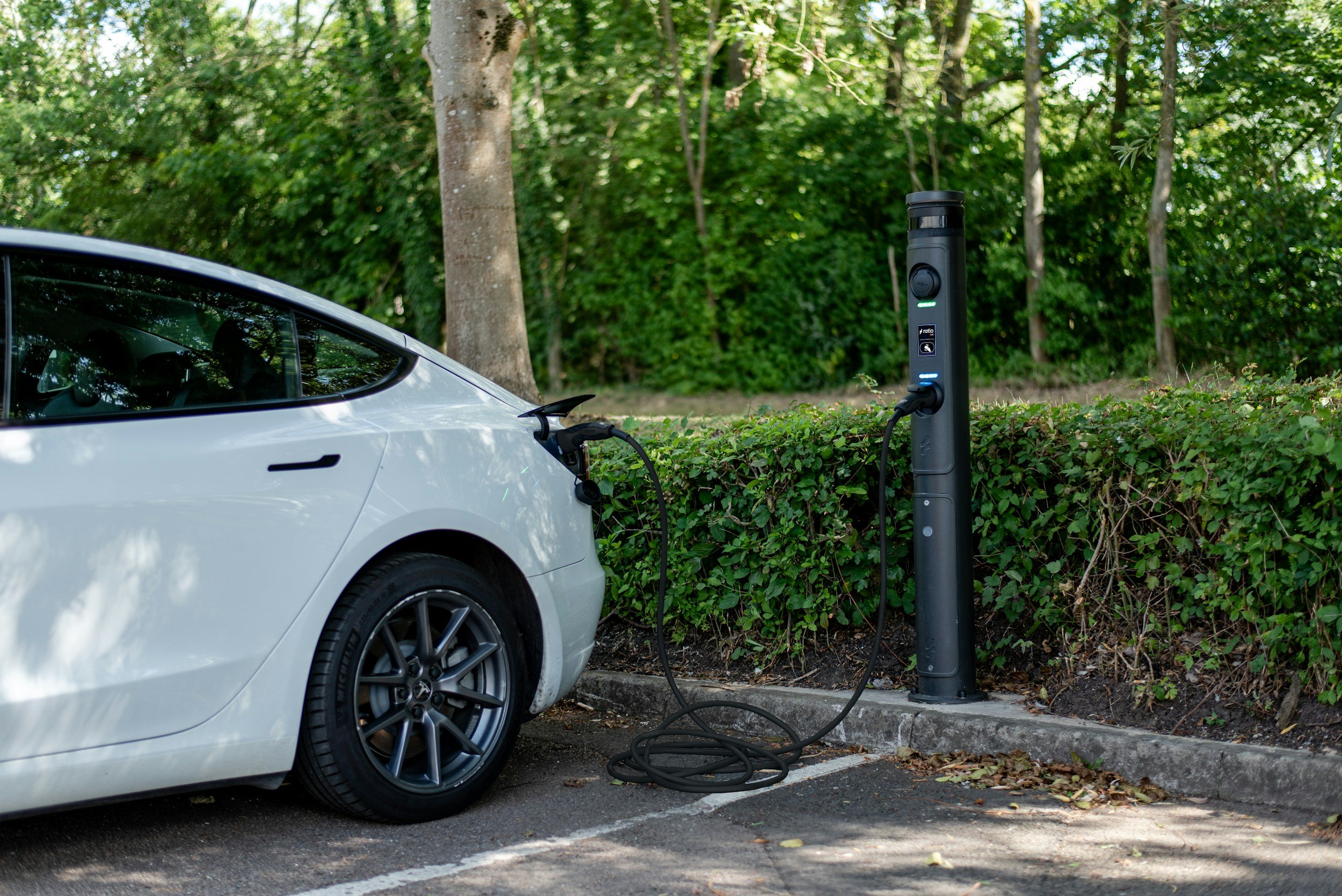
Electric vehicles (EVs) aren’t just a novelty in Australian business fleets anymore; they're becoming a practical reality. But with this shift comes a new challenge: if your business provides electric vehicles or plug-in hybrid vehicles (PHEVs) to employees, for tax purposes you need to account for the home electricity used to charge the cars.
How do you accurately calculate the costs of charging your business vehicles at employees' homes without installing expensive separate meters or relying on guesswork?
What's Changed?
The ATO has updated its guidance (in Practical Compliance Guideline PCG 2024/2) to include plug-in hybrid electric vehicles, not just pure electric vehicles.
Expanded Coverage: This guidance update means businesses can now use the ATO's simplified method to calculate home electricity costs for both types of vehicles.
Previous Rules: Previously, only zero-emission electric vehicles could use the guideline's straightforward approach.
New Methodology: Now, plug-in hybrids are covered under a new seven-step methodology that helps separate electric kilometres from petrol-powered kilometres.
The Simplified Approach
The calculation method depends on the type of vehicle:
Pure Electric Vehicles: The calculation remains refreshingly simple: multiply your total annual kilometres by 4.2 cents per kilometre. This rate covers the electricity cost of home charging and gives you an ATO-accepted figure without complex calculations.
Plug-in Hybrids: The process involves a few more steps:
Calculate your actual petrol costs for the year.
Determine how many kilometres were driven on petrol using fuel consumption rates.
Subtract the petrol kilometres from the total kilometres to find the number of electric kilometres.
Apply the 4.2 cents per kilometre rate to only the electric portion.
What You Need to Do
To use this method for the charging costs of your business’s vehicles, you'll need to maintain proper records:
Keep odometer readings at the start and end of each FBT year (1 April to 31 March).
Retain evidence of home electricity expenses, such as power bills in the relevant employees' names.
Transitional Relief: The ATO provides relief if you haven't kept these records previously. For the 2024–2025 year, you can use reasonable estimates based on service records or other available information.
Why This Matters for Your Business
This guidance simplifies FBT compliance and helps ensure you're not paying more tax than necessary.
Employee Contributions: If employees pay for home charging of business vehicles themselves, this amount can reduce the taxable fringe benefit value dollar for dollar.
Reimbursements: If your business reimburses employees for the charging costs, you can include the calculated amount in your FBT calculations.
Timing: The method applies from 1 April 2024 for FBT purposes and 1 July 2024 for income tax purposes, so you can use it for your current year calculations.